https://sputnikglobe.com/20220822/singapore-to-decriminalize-gay-sex-but-enshrine-legal-definition-of-marriage-between-man--woman-1099842002.html
Singapore To Decriminalize Gay Sex But To Enshrine Legal Definition of Marriage Between Man & Woman
Singapore To Decriminalize Gay Sex But To Enshrine Legal Definition of Marriage Between Man & Woman
Sputnik International
Under the currently existing law in Singapore, albeit not actively enforced for decades, men face up to two years jail for gay sex in the city-state, known for... 22.08.2022, Sputnik International
2022-08-22T07:26+0000
2022-08-22T07:26+0000
2022-08-22T10:50+0000
singapore
lgbtq
gay sex
world
https://cdn1.img.sputnikglobe.com/img/07e5/01/19/1081877614_0:161:3071:1888_1920x0_80_0_0_fb51b3c3c2d1d31767705418635579a2.jpg
Singapore’s Prime Minister Lee Hsien Loong has announced that his government plans to repeal a colonial-era "anti-homosexuality" law, with LGBT activists hailing the move as "a win for humanity".Section 377A of the penal code criminalizes “any act of gross indecency” by a male person “with another male person”. Though rarely applied, the law nevertheless carries a maximum sentence of two years in prison.The PM said that abolishing the law was “the right thing to do, and something that most Singaporeans will accept".In his annual national day rally speech on Sunday, the politician noted that "gay people are now better accepted".According to Lee, the "controlled, carefully considered way" to repeal Section 377A (S377A) of the Penal Code would bring the laws of the former British colony into line with "current social mores, and I hope, provide some relief to gay Singaporeans".Nevertheless, there are no plans to change the legal definition of marriage as being between a man and a woman, contained in the Interpretation Act and the Women’s Charter, Lee added.As the law currently stands, this definition can be challenged in the courts. So Singapore plans to amend its Constitution to enshrine the definition of marriage, Lee said on 21 August.“I do not think that for Singapore, the courts are the right forum to decide such issues," he added.After the speech, the Ministry of Communications and Information (MCI) underscored in a statement that media content will continue to warrant higher age ratings."[The MCI] reaffirms the government’s position that the repeal of S377A does not mean that we are changing the tone of society," it said in its statement.Colonial-Era LegislationSingapore’s law, which technically criminalizes sex between men but is seen as, effectively, a ban on homosexuality, dates to 1938 and was retained after the nation received its independence in 1959.Although there have been no known convictions for sex between consenting adult males for decades, lesbian, gay, bisexual, transgender, and LGBTQ groups have brought multiple legal challenges against the law, but failed.Singapore’s High Court first ruled to uphold the anti-homosexuality law in 2014, but a decision by India’s High Court in 2018 to ditch the provision prompted Singaporean activists to issue a new challenge.Nevertheless, in March 2020, the High Court upheld Section 377A of the penal code.Accordingly, today's announcement by Lee was haled by a coalition of LGBT rights groups as a "hard-won victory and a triumph of love over fear".A global financial hub and home to multinational companies, Singapore is known for its conservative values. The multi-racial and multi-religious society of 5.5 million has a predominantly ethnic Chinese population, as well as sizeable Malay and Indian minorities, according to the 2020 census.Approximately 33.2 percent of the population are Buddhist, 18.8 percent Christian and 14 percent Muslim.Over the past few years it has developed a vibrant LGBT scene. LGBT activists annually hold the island's biggest civil society rally, known as Pink Dot. LGBT activists had long demanded that 377A, which continues to exist in many parts of Asia, Africa and Oceania, be scrapped.
https://sputnikglobe.com/20180906/india-gay-sex-decriminalised-1067795894.html
singapore
Sputnik International
feedback@sputniknews.com
+74956456601
MIA „Rossiya Segodnya“
2022
News
en_EN
Sputnik International
feedback@sputniknews.com
+74956456601
MIA „Rossiya Segodnya“
Sputnik International
feedback@sputniknews.com
+74956456601
MIA „Rossiya Segodnya“
singapore, lgbtq, gay sex
singapore, lgbtq, gay sex
Singapore To Decriminalize Gay Sex But To Enshrine Legal Definition of Marriage Between Man & Woman
07:26 GMT 22.08.2022 (Updated: 10:50 GMT 22.08.2022) Under the currently existing law in Singapore, albeit not actively enforced for decades, men face up to two years jail for gay sex in the city-state, known for its conservative values.
Singapore’s Prime Minister Lee Hsien Loong
has announced that his government plans to repeal a colonial-era "anti-homosexuality" law, with LGBT activists hailing the move as "a win for humanity".
Section 377A of the penal code criminalizes “any act of gross indecency” by a male person “with another male person”. Though rarely applied, the law nevertheless carries a maximum sentence of two years in prison.
The PM said that abolishing the law was “the right thing to do, and something that most Singaporeans will accept".
In his annual national day
rally speech on Sunday, the politician noted that "gay people are now better accepted".
According to Lee, the "controlled, carefully considered way" to repeal Section 377A (S377A) of the Penal Code would bring the laws of the former British colony into line with "current social mores, and I hope, provide some relief to gay Singaporeans".
Nevertheless, there are no plans to change the legal definition of marriage as being between a man and a woman, contained in the Interpretation Act and the Women’s Charter, Lee added.
“But it will also keep what I believe most Singaporeans still want, and that is to retain the basic family structure of marriage between a man and a woman, within which we have and raise our children," the PM told the gathering at the Institute of Technical Education headquarters at Ang Mo Kio.
As the law currently stands, this definition can be challenged in the courts. So Singapore plans to amend its Constitution to enshrine the definition of marriage, Lee said on 21 August.
“I do not think that for Singapore, the courts are the right forum to decide such issues," he added.
After the speech, the Ministry of Communications and Information (MCI) underscored in a statement that media content will continue to warrant higher age ratings.
"[The MCI] reaffirms the government’s position that the repeal of S377A does not mean that we are changing the tone of society," it said in its statement.
Singapore’s law, which technically criminalizes sex between men but is seen as, effectively, a ban on homosexuality, dates to 1938 and was retained after the nation received its independence in 1959.
Although there have been no known convictions for sex between consenting adult males for decades, lesbian, gay, bisexual, transgender, and LGBTQ groups have brought
multiple legal challenges against the law, but failed.
Singapore’s High Court first ruled to uphold the anti-homosexuality law in 2014, but a decision by India’s High Court in 2018 to ditch the provision prompted Singaporean activists to issue a new challenge.
6 September 2018, 09:34 GMT
Nevertheless, in March 2020, the High Court upheld Section 377A of the penal code.
“In declining to strike out this archaic and discriminatory law, the Court has reaffirmed that all gay men in Singapore are effectively un-apprehended criminals,” Téa Braun, director of international LGBT legal support group Human Dignity Trust (HDT), said at the time.
Accordingly, today's announcement by Lee was haled by a coalition of LGBT rights groups as a "hard-won victory and a triumph of love over fear".
A global financial hub and home to multinational companies, Singapore is known for its conservative values. The multi-racial and multi-religious society of 5.5 million has a predominantly ethnic Chinese population, as well as sizeable Malay and Indian minorities, according to the 2020 census.
Approximately 33.2 percent of the population are Buddhist, 18.8 percent Christian and 14 percent Muslim.
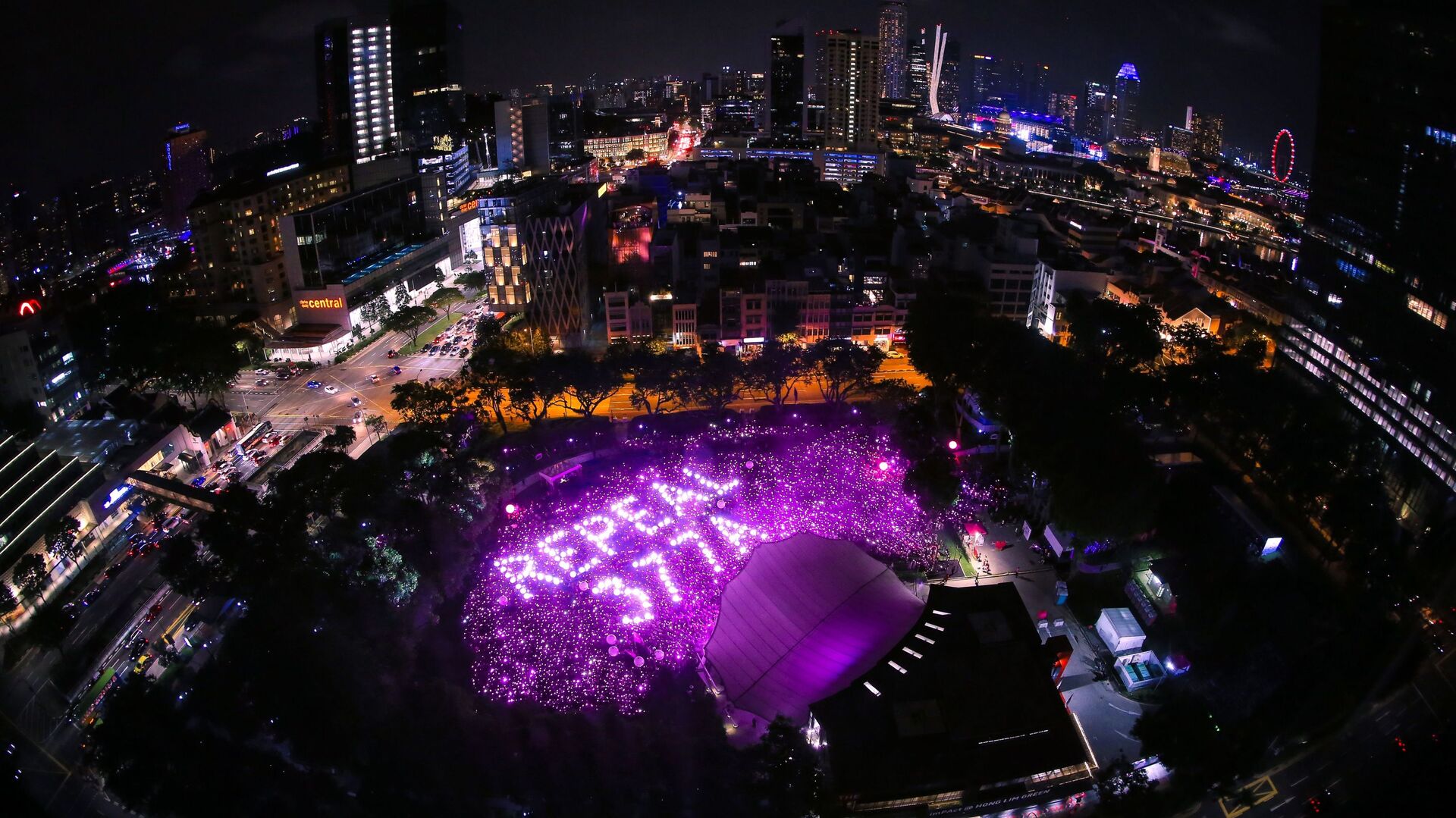
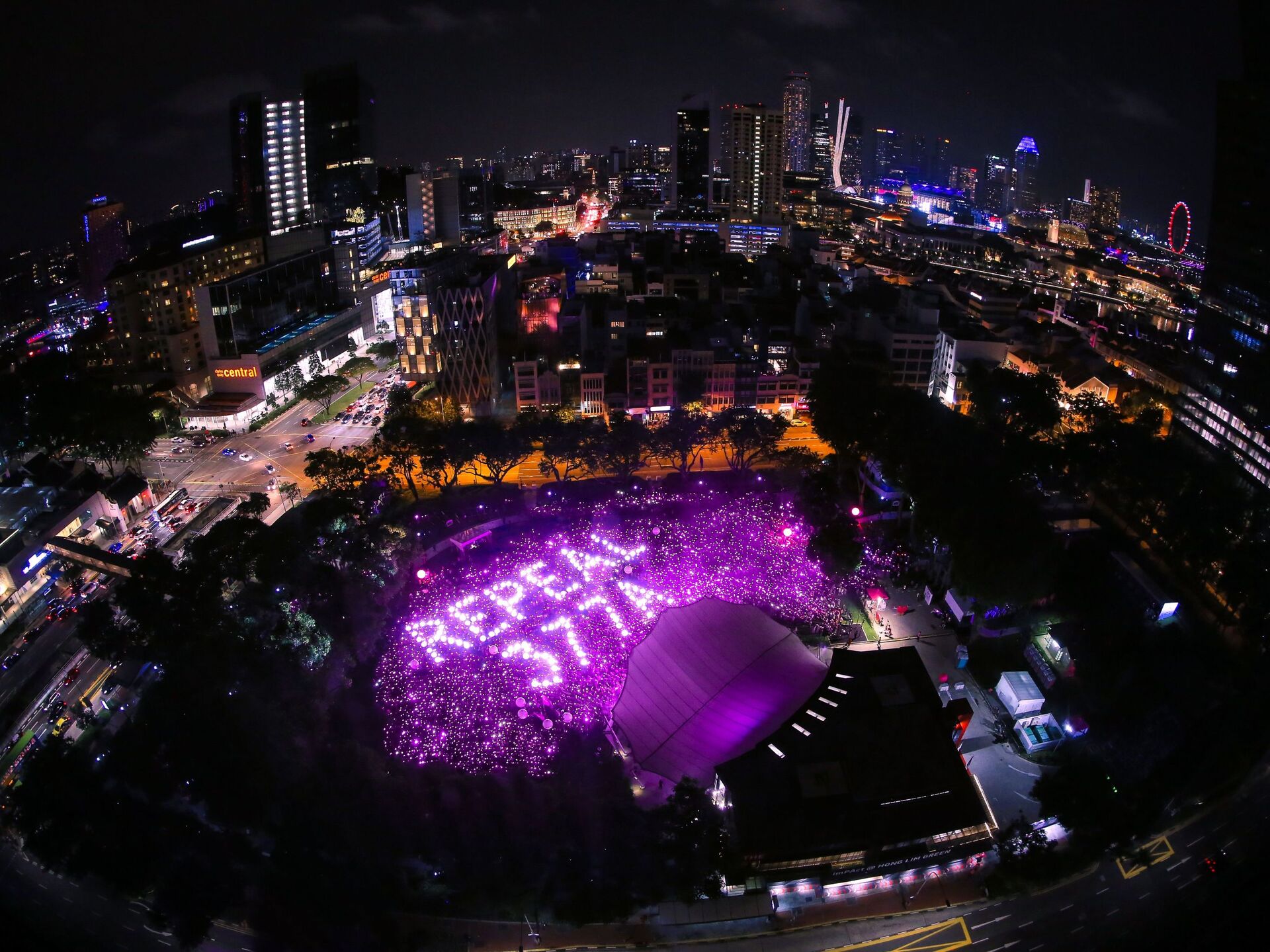
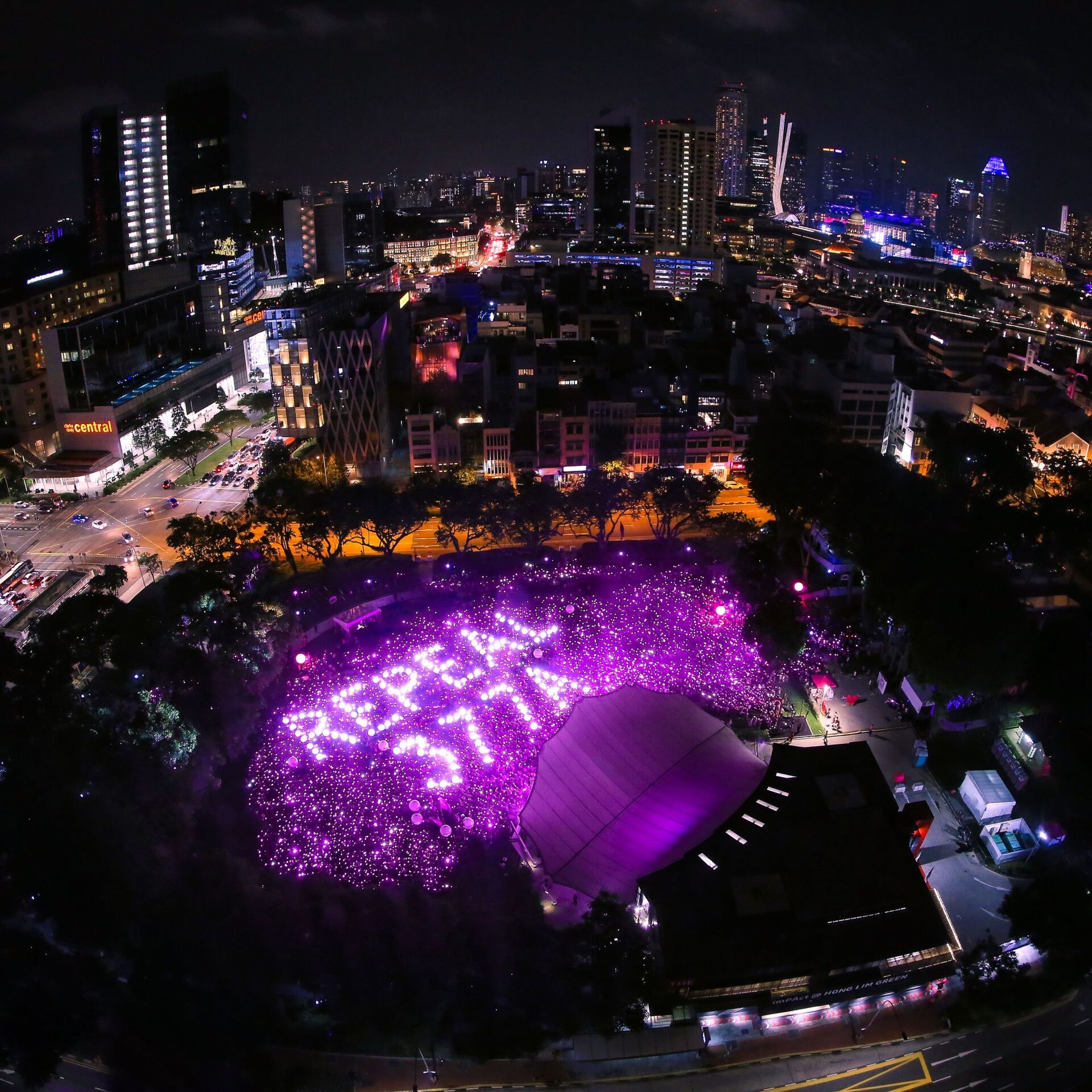
Over the past few years it has developed a vibrant LGBT scene. LGBT activists annually hold the island's biggest civil society rally, known as Pink Dot.
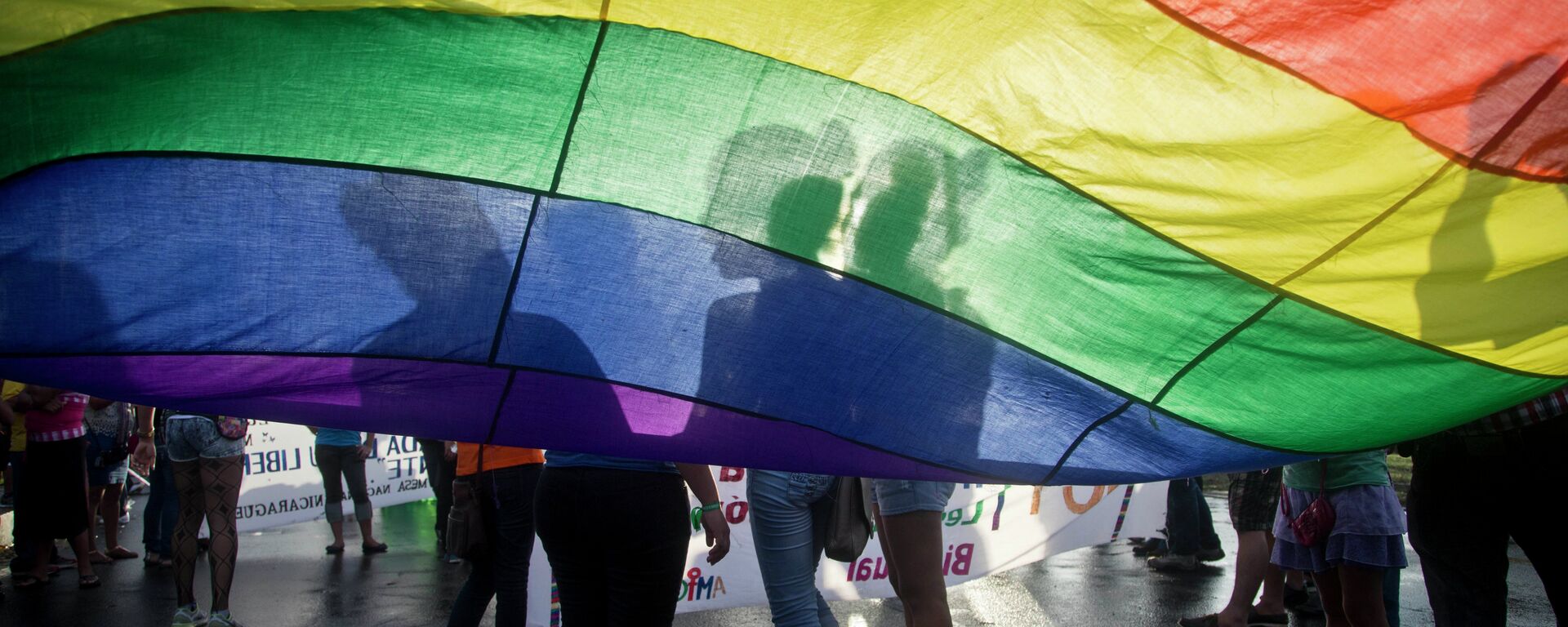
LGBT activists had long demanded that 377A, which continues to exist in many parts of Asia, Africa and Oceania, be scrapped.